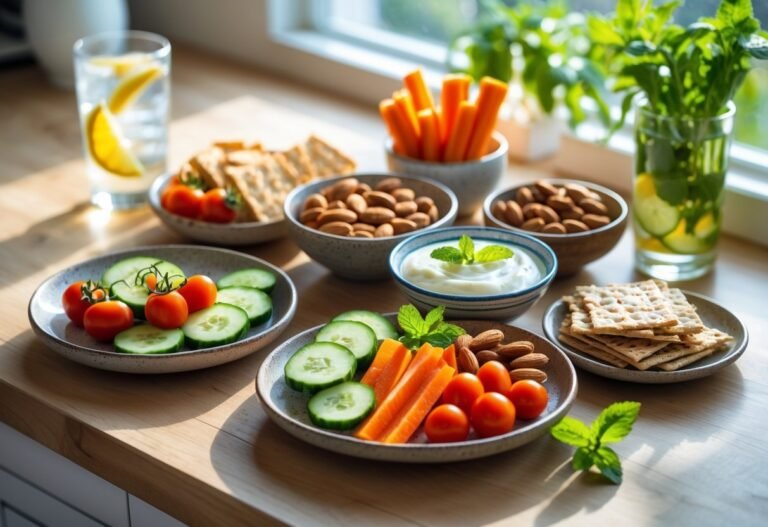
Starting the Mediterranean diet? Honestly, it’s a solid choice if you want to eat better and give your heart a break. The focus here is on whole foods—think fruits, veggies, whole grains, nuts, and those good fats like olive oil.
Following a week-by-week plan can help you ease into a more balanced, sustainable routine that actually fits your real life.
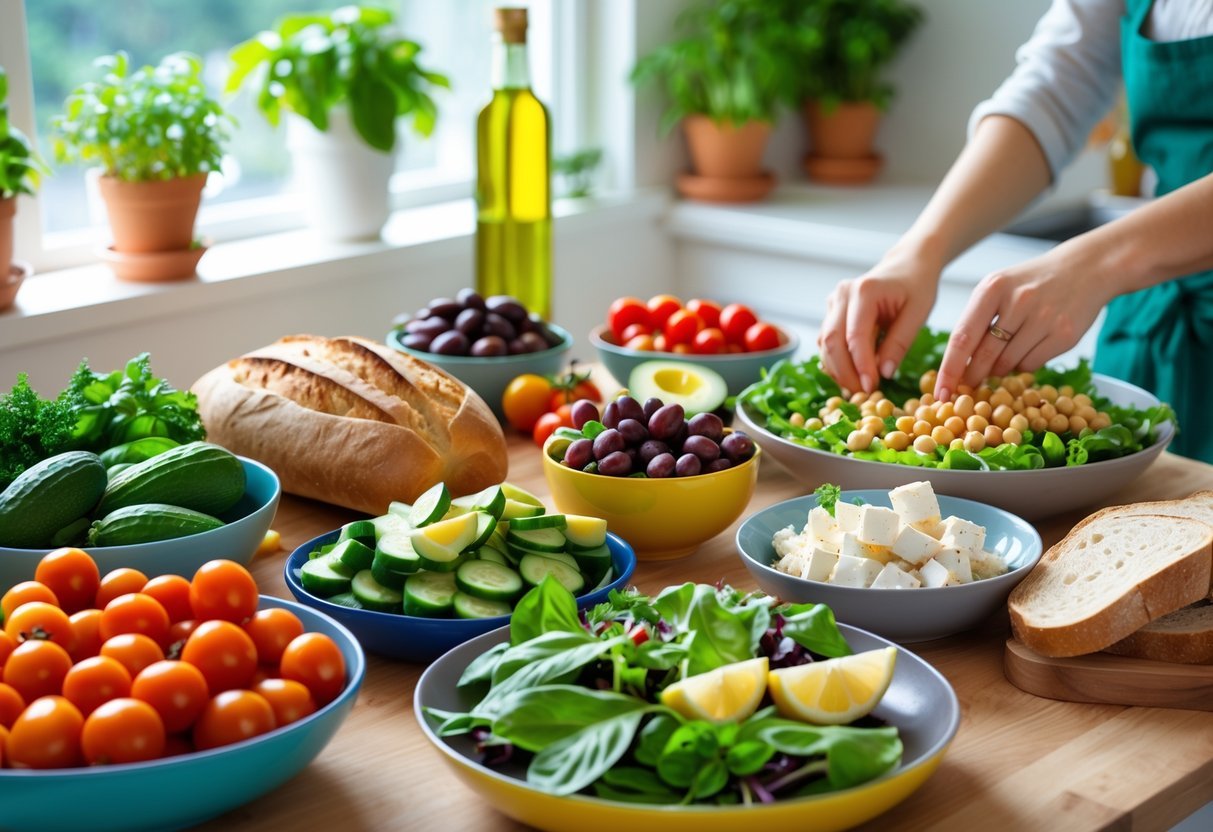
You’ll find easy Mediterranean recipes and tips that make smart food choices less overwhelming. The diet’s not just about healthy eating—it also brings in anti-inflammatory foods that can give your overall well-being a boost.
This guide breaks down what to eat, how to plan meals, and small ways to bring the Mediterranean lifestyle into your daily routine. You get to enjoy genuinely tasty, heart-healthy meals while cutting back on processed stuff and unnecessary sugar.
With a weekly structure, the path to a healthier diet feels less daunting—and, honestly, more doable.
How to Start the Mediterranean Diet: Fundamentals and Step-By-Step Guide
So, what does it really mean to start the Mediterranean diet? It’s about shifting toward fresh, whole foods packed with healthy fats, fiber, and plant-based proteins.
Your meals start to look a lot more colorful—more veggies, more fruit, more grains, nuts, and seafood. Processed and red meats? Not so much. Getting your kitchen set up and planning ahead can really help you stick with it.
Core Mediterranean Diet Principles
The Mediterranean diet leans hard on plant-based foods—leafy greens, tomatoes, onions, garlic, beans, lentils, chickpeas, all that good stuff. These foods are loaded with fiber and nutrients for heart health and fighting inflammation.
Swap in healthy fats, especially olive oil and avocados, instead of butter or heavy oils. Lean proteins like fatty fish, chicken, and eggs keep things balanced, while keeping red and processed meats to a minimum lowers your risk for chronic issues.
Try to eat fresh fruits like berries and citrus every day. Whole grains—maybe quinoa or brown rice—give you steady energy, and nuts or seeds work as easy, satisfying snacks.
Week-by-Week Transition Plan for Beginners
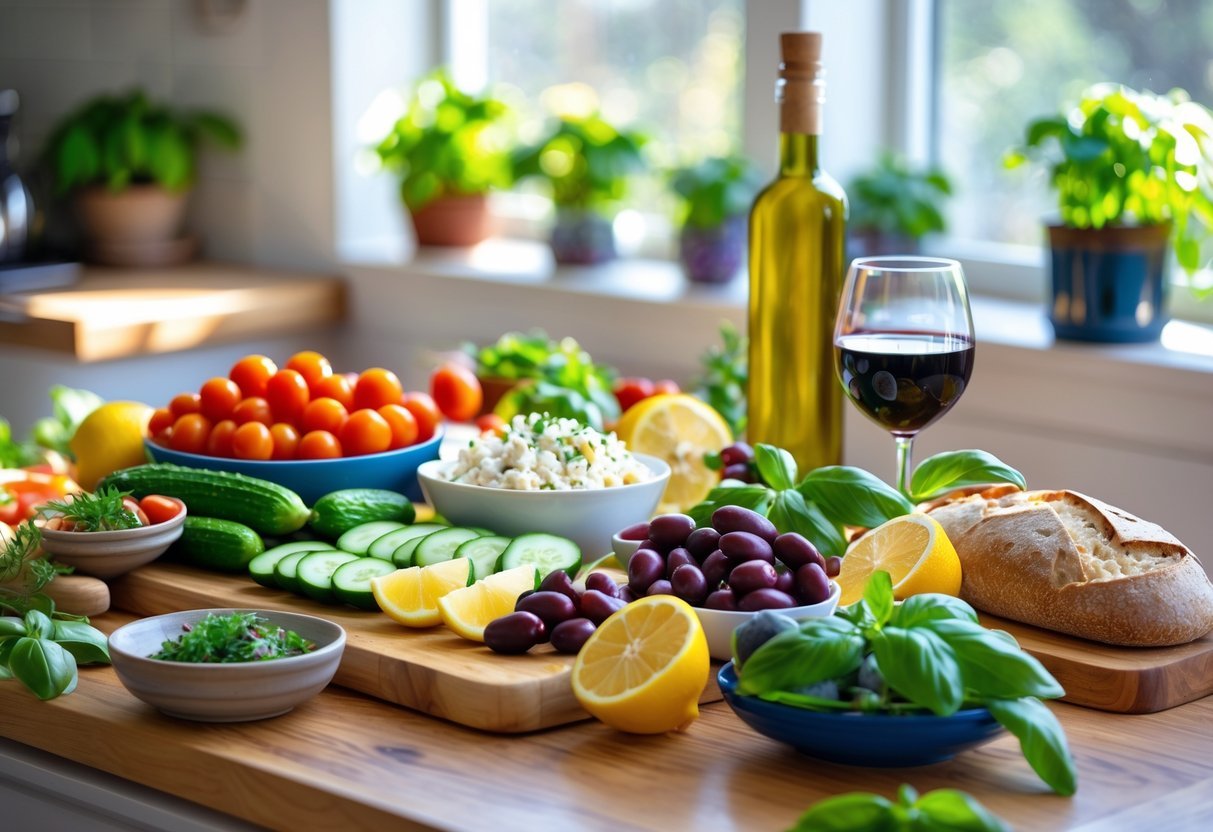
Start simple: in week one, just add more veggies and fruit to your meals. Maybe switch out butter for olive oil when you cook. Toss in a serving or two of fish or plant-based proteins like beans each week.
By week two, start dialing back on red and processed meats. Bring in more legumes, chicken, or seafood. Keep meal planning basic—recipes with whole grains, fresh veggies, and plenty of herbs.
By the third or fourth week, you’ll probably have a groove going. Prep meals ahead with staples like chickpeas, leafy greens, tomatoes, and nuts. Adjust your portions of healthy fats, lean proteins, and fiber-rich foods until it feels right for you.
Setting Up Your Pantry and Grocery List
Fill your pantry with essentials—extra virgin olive oil, dried lentils, chickpeas, brown rice. Stock up on garlic, onions, herbs, and canned tomatoes for quick flavor boosts.
Grab a mix of fresh and frozen veggies like spinach, kale, tomatoes, and other greens. Nuts and seeds are great to have for snacking or tossing on salads.
Keep your fridge ready with fresh fruits like berries and citrus. Lean proteins—chicken, eggs, seafood (especially fish with omega-3s)—should be on your list. Maybe skip the processed meats or anything that screams “packaged” if you can.
When you plan your grocery list around these basics, meal prepping gets easier, and sticking to anti-inflammatory eating just feels more natural.
Weekly Mediterranean Meal Plan and Practical Tips
Embracing the Mediterranean diet is really about keeping meals fresh, balanced, and full of flavor. If you plan out your week with simple recipes and prep a little ahead, sticking to this way of eating gets a lot easier—and honestly, more fun.
Simple Mediterranean Recipes for Each Week
Stick to meals built around familiar stuff—cherry tomatoes, feta, olive oil. For breakfast, maybe a Greek yogurt parfait with nuts and fruit, or chia pudding made with almond milk.
Lunch could be Greek salad wraps with cucumbers, olives, and goat cheese, or salmon salad tartines on whole-grain bread. Dinners? Think creamy chicken and zoodle spaghetti, or a lentil soup with farro and walnuts.
Snacks like hummus with veggies or a scoop of cottage cheese keep things interesting and filling. Don’t overthink it—fresh herbs, lemon, and tahini add loads of flavor without piling on calories.
Sample 7-Day Mediterranean Meal Plan
| Day | Breakfast | Lunch | Dinner | Snack |
|---|---|---|---|---|
| Monday | Greek yogurt parfait | Greek salad with feta | Spaghetti with eggplant sauce | Hummus with carrot sticks |
| Tuesday | Chia pudding with almond milk | Salmon salad tartines | Lentil soup with farro | Handful of walnuts |
| Wednesday | Cottage cheese with cherry tomatoes | Greek salad wraps with goat cheese | Creamy chicken and zoodle spaghetti | Greek yogurt with honey |
| Thursday | Oatmeal with walnuts | Tomato and chickpea salad | Roasted tofu with veggies | Fresh fruit |
| Friday | Greek yogurt with mixed nuts | Farro salad with veggies | Baked eggplant and tomato bake | Tahini dip with cucumber |
| Saturday | Smoothie with almond milk and spinach | Lentil soup | Grilled salmon with salad | Cheese slices |
| Sunday | Avocado toast with feta | Greek salad with olives | Veggie-packed pasta | Dark chocolate square |
Use this as a rough guide—mix and match as you like, honestly. The idea is to keep things balanced and satisfying, not perfect.
Time-Saving Meal Prep and Planning Strategies
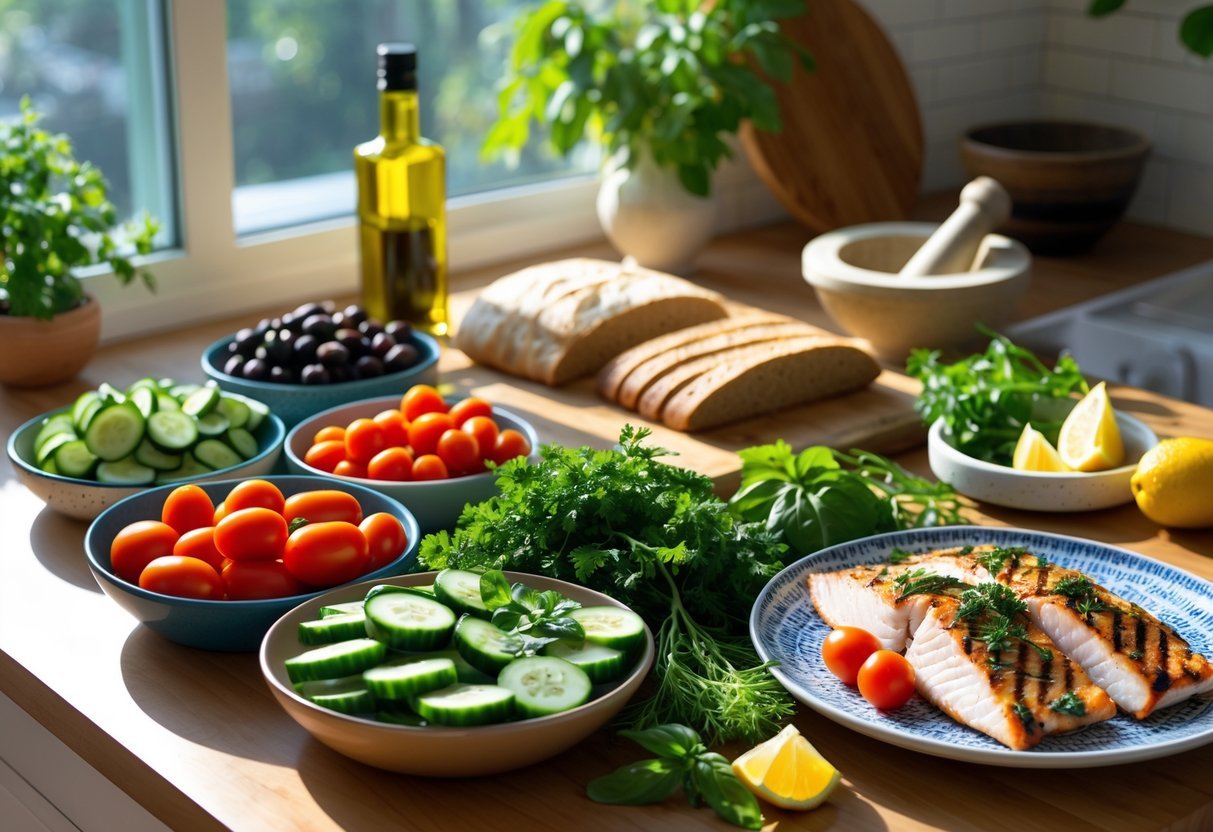
Try planning your grocery list around versatile ingredients like cherry tomatoes, spinach, and legumes. It’ll cut down on shopping trips and keep meals interesting.
Batch-cook basics like farro or lentils, then stash them in the fridge for quick meals. Pre-cut veggies like cucumbers and peppers at the start of the week, so they’re ready for snacking or salads.
Big-batch lentil soup or chicken? Freeze single servings for those days when you just can’t be bothered. Leftovers are your friend—toss roasted veggies into salads or wraps for easy lunches.
Invest in some decent containers to keep everything fresh and organized. When you pick recipes that use overlapping ingredients, you waste less and save time. It’s not about perfection—just about making your week a little easier.
In the end, the Mediterranean diet isn’t about strict rules or chasing perfection. It’s about enjoying real, flavorful food and building habits that actually last. Start small, keep it flexible, and give yourself room to figure out what works for you. Your heart—and your taste buds—will thank you.
Mediterranean Lifestyle: Habits for Long-Term Success
Adopting a Mediterranean lifestyle isn’t just about what’s on your plate. Take your time with meals—eating slowly really does help digestion, and honestly, it just feels better.
Try sharing meals with friends or family. Eating together makes food more enjoyable, and who doesn’t love a little conversation at the table?
Stay active, even if it’s just a daily walk or a quick bike ride. You don’t have to train for a marathon—just keep moving in ways you actually like.
Focus on whole foods. Skip most of the processed stuff when you can, but hey, the occasional bit of cheese or dark chocolate? Totally fine in moderation.
Water should be your go-to drink. If you enjoy wine, a moderate glass of red now and then can fit right in—just don’t overdo it.
Keep your meals interesting by trying out new, easy Mediterranean recipes. It’s a good way to avoid getting bored, and it might even spark a little excitement about healthy eating.
In the end, it’s about building habits that actually fit your life. The Mediterranean lifestyle isn’t rigid or fussy—it’s flexible, flavorful, and honestly, a lot more enjoyable than most “diets” out there. Why not give it a real shot?