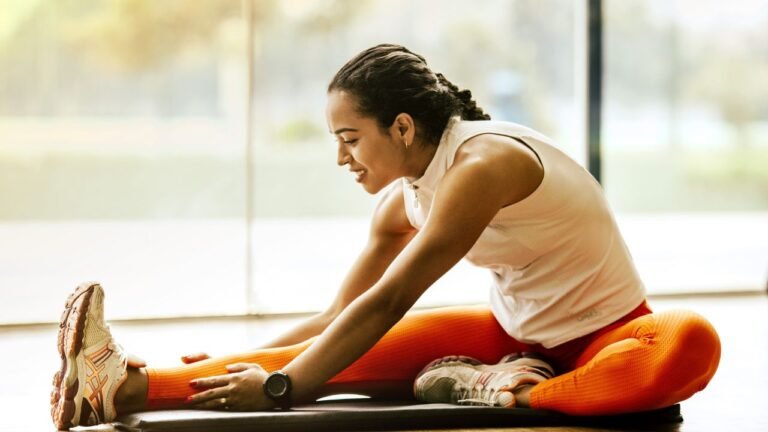
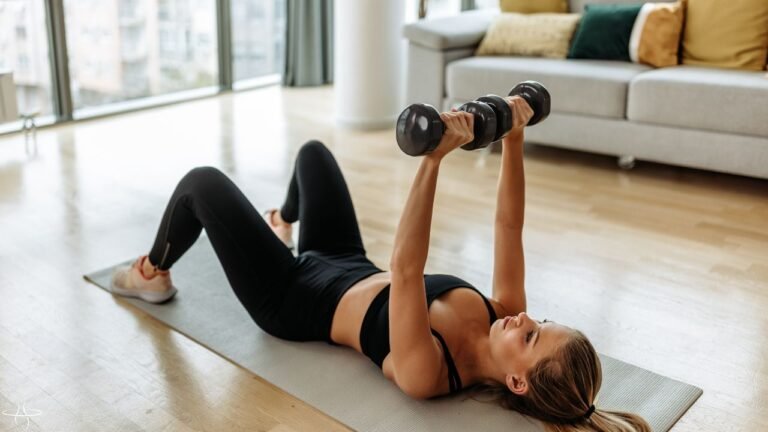
Losing weight at home without a gym? Totally doable. Simple tweaks to your daily habits really add up.
The key is mixing easy, no-equipment workouts with smart food choices—think whole foods and enough protein. Forget fancy gear or memberships; consistency and a plan that fits your life matter most.
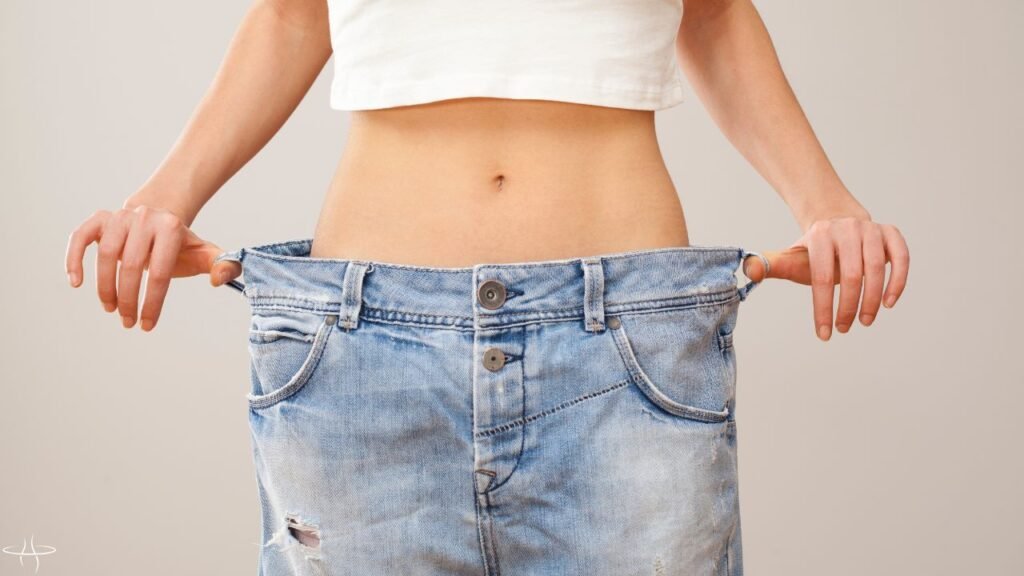
If you’re new to this, starting with beginner-friendly moves can help you build strength and burn calories without freaking out. Pairing workouts with a better diet—maybe tossing in a protein shake—can help you grow muscle and stay full longer.
This combo makes it less likely you’ll quit and more likely you’ll see steady progress, even if it’s not overnight.
Weight Loss Fundamentals at Home
At home, it’s all about how many calories you eat versus what you burn. Watching your diet and building habits that actually stick is huge.
Small changes—like swapping snacks or moving a bit more—can seriously add up, even if it doesn’t feel dramatic at first.
Creating a Calorie Deficit Without the Gym
To lose weight, you need to burn more calories than you eat. That’s the calorie deficit everyone talks about.
No gym? No problem. Walk more, clean your place, stand up while working—these little things (called NEAT) can raise your metabolism without a formal workout.
Tracking what you eat helps keep things in check. Apps or just jotting things down in a notebook can work—whatever you’ll actually stick with.
Try trimming 300-500 calories a day and drink plenty of water. Sometimes you’re just thirsty, not hungry. Even skipping that extra handful of chips matters more than you’d think.
Understanding the Role of Diet in Fat Loss
Your food choices are a big deal for fat loss. Focus on whole foods—veggies, fruits, lean proteins, and healthy fats.
Protein is especially key. It builds muscle and keeps you full, which makes overeating less tempting.
Processed snacks and sugary stuff? They’ll spike your cravings and throw off your progress. Mindful eating—like slowing down and putting your phone away—can help you notice when you’re actually full.
Staying hydrated helps with digestion and keeps you from drinking your calories. And honestly, don’t overlook sleep. Less than 7 hours can mess with your hormones and make you hungrier.
Building Healthy Daily Habits for Beginners
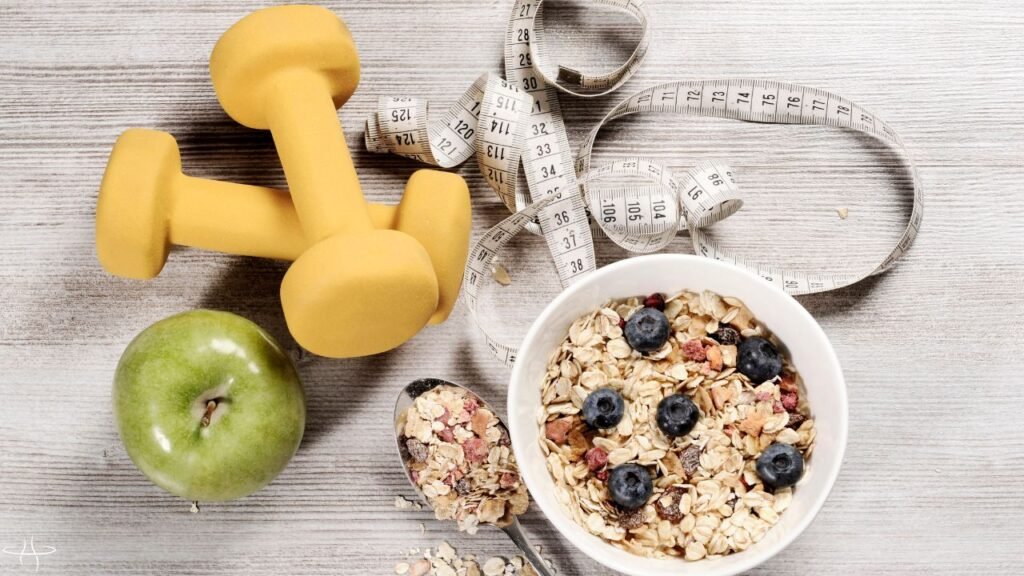
Creating simple habits makes starting out way less intimidating. Planning meals ahead of time helps you avoid last-minute junk food decisions.
Cooking at home gives you control over what’s actually in your food. Set regular meal and snack times so you’re not just eating because you’re bored or stressed.
Try to move a bit every day—even if it’s just stretching or a quick walk. Getting enough sleep and finding ways to chill out keeps stress (and cortisol) down, which is good for your waistline.
Track your progress, but don’t get obsessed. Little things, like drinking water first thing or taking the stairs, add up over weeks and months. Habits, not hacks, are what last.
Easy Home Workouts and Diet Strategies
For home weight loss, stick to simple bodyweight moves that build strength and burn calories. Pair these with meals packed with lean protein, fiber, and some healthy fats.
Hydration and portion control go a long way—no gym required.
Effective Bodyweight Exercises for Beginners
Start with basics: squats, push-ups, planks, and wall sits. These hit multiple muscle groups and help you get toned.
Squats are great for legs and glutes. Planks? Core strength all the way.
Try 2-3 sets of 10–15 reps for each move. Rest for 30–60 seconds between sets. Focus on form—rushing through just leads to sloppy reps and possible injury.
As you get stronger, add a few more reps or hold those planks and wall sits longer. No equipment needed, just a little space in your living room.
These moves can really boost your metabolism, so you’re burning more even after you’re done.
Cardio Moves for Burning Calories at Home
Don’t skip cardio—it’s key for burning fat. Try jumping jacks, high knees, or just brisk walking or marching in place.
Start with 15–20 minutes and mix up the intensity. Maybe 30 seconds of high knees, then 30 seconds slower. Repeat that 10–15 times.
Cardio at home will build your endurance and help you drop pounds. Mixing strength with cardio? That’s the sweet spot for fat loss.
Smart Diet Tips and Meal Planning
Go for balanced meals: lean protein, whole grains, fruits, veggies, and healthy fats like nuts or avocado. Protein helps you stay full, which makes snacking less tempting.
Planning ahead means you’re less likely to grab junk food. Smaller plates can trick your brain into feeling satisfied with less.
Eat mindfully—listen to your body’s hunger and fullness signals. If you’re curious, try intermittent fasting, but don’t cut out nutrients you need. And yeah, water—drink more than you think you need. It really does help.
Honestly, there’s no magic bullet, but these steps are a solid place to start. Losing weight at home takes patience and some trial and error, but once you find your groove, it gets easier. Stick with it, and you’ll see the changes—maybe not all at once, but they’ll come.
Protein Shakes and Nutrient Timing
Protein shakes are a convenient way to get some high-quality protein in, especially right after a workout. I usually go for shakes with lean protein powders—whey or plant-based—blended with water or some kind of milk alternative.
When you have your protein actually matters. Try to get a shake in within half an hour of exercising; it really does help your muscles recover.
You could also use them as a quick snack between meals if you’re trying to keep hunger at bay. Sometimes, they’re just the easiest thing to grab when you’re in a rush.
Mixing in a little fiber or some healthy fat can slow down digestion, so you stay full a bit longer. I’d skip the extra sugars or sweeteners—those just tack on calories you probably don’t need.
Honestly, protein shakes aren’t magic, but when you use them thoughtfully, they’re a solid tool for recovery and keeping your nutrition on track. Just don’t forget: real food matters too.