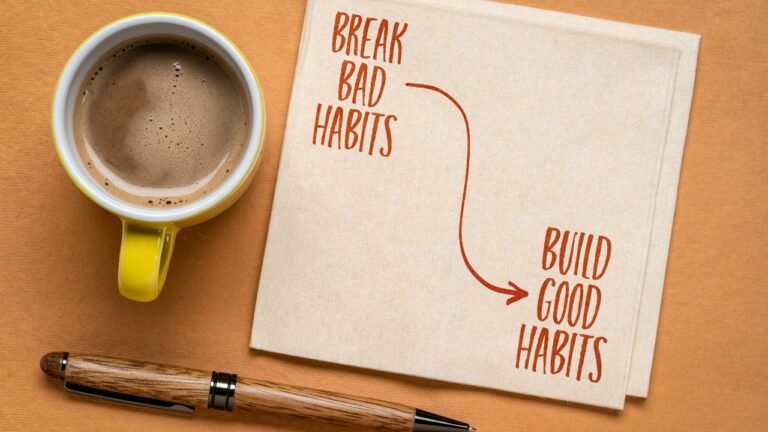
Building a healthy lifestyle from scratch can feel daunting. It really just starts with small, manageable changes you can actually stick with day to day.
You can create a sustainable healthy routine by focusing on easy nutrition habits, beginner fitness tips, and daily wellness practices that fit your life.
This approach helps you avoid quick fixes and lets you make improvements that actually last.
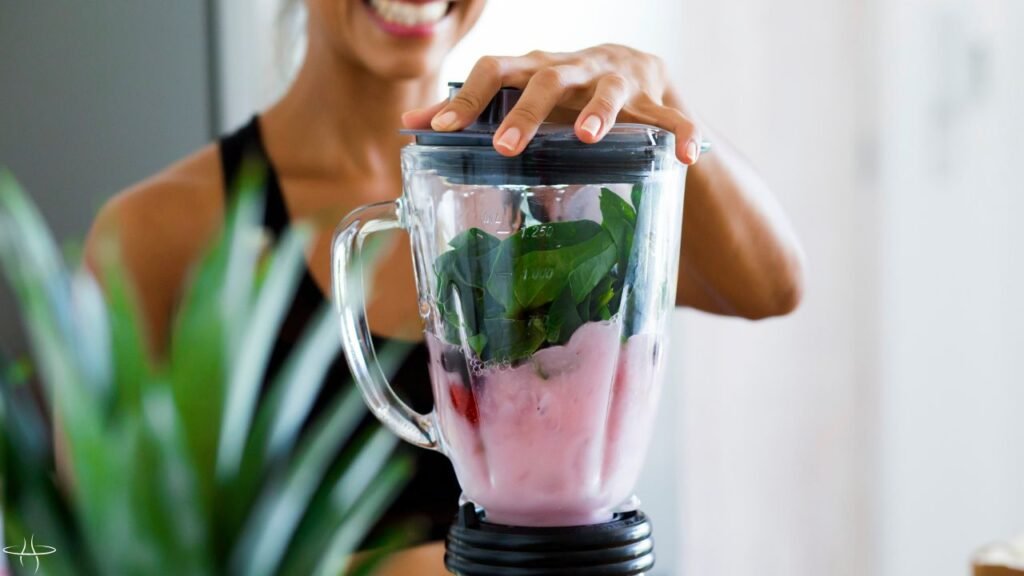
You don’t have to change everything at once. Try adding more nutritious foods, moving your body in ways you like, and making time for rest and mental health.
These simple habits are the backbone of a balanced, healthier life. The more consistent you are, the stronger those habits get.
This guide’s here to walk you through some easy steps to build a healthy lifestyle that actually works for you. By starting with the basics and skipping the overwhelm, you can ease into living healthier without feeling stuck.
Core Steps for Building a Healthy Lifestyle
Starting a healthy lifestyle is really about making small, clear changes you’ll stick with. Focus on habits that help your eating, activity, sleep, and mental health.
These basics keep you consistent and, honestly, you’ll probably just feel better day by day.
Define Your Motivation and Set Realistic Goals
Figuring out why you want to live healthier is key. Maybe it’s more energy, sharper focus, or just wanting to avoid health problems down the line.
Write down your reasons—they’ll help you out when motivation dips.
Set goals that are specific and doable. Instead of a vague “eat healthy,” try “add one veggie to each meal” or “drink one extra glass of water today.”
Realistic goals help you track progress and keep you motivated. Don’t be afraid to tweak your goals as you learn what fits your life.
Journals or apps can help you stay on track. Tracking your habits and feelings makes it easier to spot wins and keep going.
Establish Easy Nutrition Habits

Focus on whole, nutrient-dense foods like fruits, veggies, whole grains, lean proteins, nuts, and healthy fats. These foods fuel your body and keep things running smoothly.
Try to limit processed foods high in sugar, unhealthy fats, and salt. Swapping out sugary drinks for water is a simple win.
Meal planning can keep you from reaching for whatever’s quickest (and maybe not the healthiest) when you’re hungry.
Practice mindful eating. Pay attention to hunger cues and actually taste your food—sounds obvious, but it helps with digestion and stops you from overeating.
Stay hydrated. Drinking water throughout the day supports digestion, skin, and keeps your energy up. Don’t just wait until you’re thirsty.
Incorporate Daily Movement and Beginner Fitness
Start with activities you actually enjoy—otherwise, you’ll probably quit. Walking, stretching, or even beginner yoga can do wonders for flexibility and stress.
Add in some strength training two or three times a week. Light weights or bodyweight moves like squats and push-ups are a solid start.
Strength training isn’t just for looks—it helps your metabolism and posture, too.
Cardio like walking, biking, or swimming is great for your heart. Shoot for around 150 minutes a week, but break it up however works for you.
Stretch often. It keeps you flexible and helps prevent injuries. Even a few minutes before and after workouts makes a difference.
Build Sustainable Healthy Routines
Consistency beats intensity, every time. It’s better to do a little each day than burn out after a week.
Reminders or habit trackers can help routines stick—think meal prepping, regular water breaks, or daily walks. Pair a new habit with something you already do, like stretching after brushing your teeth.
Keep healthy foods handy and ditch the processed snacks if you can. The people around you matter, too—hang out with folks who encourage your healthy choices.
And don’t beat yourself up if you miss a day. Just get back to it. Building habits is a process, and nobody’s perfect.
Prioritize Quality Sleep and Recovery
Sleep is huge for both your body and mind. Aim for 7 to 9 hours if you can swing it. A cool, dark, quiet room really helps.
Create a bedtime routine. Power down screens at least half an hour before bed and try relaxing stuff like reading or deep breathing.
Skip caffeine and big meals late at night—they can mess with your sleep.
Don’t forget recovery. Rest days between workouts help you avoid injury and actually get stronger. Gentle stretching or mindfulness is great for recovery, too.
Practice Stress Management and Mindful Living

Managing stress is just as important as eating well or exercising. Simple stuff like meditation, deep breathing, or jotting thoughts down in a journal can help calm your mind.
Practicing mindfulness—just focusing on the present—can reduce anxiety and clear your head.
Self-care isn’t just a buzzword. Take breaks, get outside, or do something that makes you happy.
Be kind to yourself, especially when things don’t go as planned. Stress management helps you stay motivated and keeps life feeling a bit more balanced.
Maintaining Progress and Staying Motivated
Sticking with a healthy lifestyle isn’t just about willpower. It’s about building the right environment, checking in on your progress, and handling challenges as they pop up.
You’ve got to create habits that support your goals and find ways to keep the spark alive—otherwise, it’s easy to lose steam.
Cultivate a Supportive Environment
Your surroundings really do matter. Being around people who encourage your healthy choices makes things a lot easier.
Maybe join a fitness class, a wellness group, or find a workout buddy. A support system makes the journey less lonely and keeps you accountable.
If you need extra help, don’t hesitate to reach out to professionals like a trainer or therapist. And if you can, clear out tempting junk food from your space.
When your environment supports your goals, it’s just simpler to keep up your habits and keep your energy up.
Track, Reflect, and Adjust Habits
Keep tabs on your daily habits—see what’s working and what’s not. Use a journal, app, or even a sticky note to track meals, exercise, and sleep.
Reflecting on your progress helps you learn from both wins and setbacks. Adjust your plan as you go—listen to your body and your schedule.
Staying flexible makes routines more sustainable. Celebrate your progress, fix what’s not working, and keep moving forward.
Honestly, building a healthy lifestyle is a lifelong experiment. You’ll have good days and not-so-good days, but every small step counts. Just keep going—you’re building something that’ll pay off for years to come.
Overcome Common Beginner Challenges
You’ll probably run into things like losing motivation, time crunches, or just plain exhaustion. Honestly, who hasn’t? Realizing these bumps are normal can make them less intimidating.
When your motivation fizzles out, try to remember what got you started in the first place. Focusing on tiny, daily wins helps—sometimes that’s enough to get you through.
Try to carve out a little time for healthy meals and some movement, even if it’s just ten minutes. Breaking down big goals into bite-sized steps makes everything feel more doable.
If you find yourself stuck, reaching out to a community or support group can be surprisingly helpful. There’s no shame in asking for a little advice or encouragement.
Honestly, everyone’s journey looks a bit different. The important thing is just to keep learning and moving forward, even if it’s not always in a straight line.
At the end of the day, it’s all about persistence and forgiving yourself for the rough patches. Stick with it, and you’ll be amazed at how far you can go.