Power training is all about helping you generate force quickly, which can seriously boost your muscle power and athletic performance. Unlike traditional strength training, which usually focuses on slow, steady gains and muscle size, power training zeroes in on those fast twitch muscle fibers that are responsible for explosive movements.
This kind of training lets you move faster and apply more force, making your workouts more useful for sports and everyday activities.

If you’re hoping to boost strength while also getting quicker and more agile, power training’s got some unique perks that regular resistance exercises just don’t offer. By mixing in high-velocity exercises and explosive movements, you’re not only making your muscles stronger—you’re teaching them to work faster.
This pays off in powerlifting, sports, and even in those random moments when you need to react quickly or move with purpose.
Understanding the science behind power training can help you get more out of your routine. Training those fast twitch fibers and using speed-based techniques can really enhance your strength and conditioning in ways old-school methods might not.
For beginners, blending powerlifting basics with explosive workouts is a pretty straightforward way to build both strength and muscle power—without wasting time.
The Science of Power Training and Its Impact on Strength Gains
Power training isn’t just about lifting heavy—it’s about combining strength with speed. This approach targets your muscles differently than traditional strength training does.
That means you’re not just building muscle mass; you’re also improving your ability to move fast and react quickly. Digging into the science here, it’s clear why power training matters for both muscle growth and athletic performance.
Power Training Benefits Versus Traditional Strength Training
With power training, the focus is on producing force quickly. Traditional strength training, on the other hand, is more about moving heavier loads but at a slower pace.
Both have their place, but power training really wakes up your neuromuscular system, teaching it to fire muscle fibers faster. That’s a big deal if you care about speed.
Power training can lead to better gains in muscular power (force x velocity), which is what you need for explosive stuff like jumping or sprinting. Meanwhile, old-school strength training is still the king for packing on muscle size and building raw strength.
Mixing both styles into your workouts can give you the best of both worlds. There’s even research suggesting that power training helps keep those fast twitch fibers active as you age, fighting off muscle loss (sarcopenia).
Explosive Workouts and Fast Twitch Muscle Activation
Explosive workouts are great for hitting those fast twitch muscle fibers—the ones responsible for quick, powerful moves. Sure, they tire out faster than slow twitch fibers, but when trained right, they deliver way more force and speed.
Exercises like jump squats, medicine ball throws, or Olympic lifts push your neuromuscular system to adapt. Your brain and muscles get better at timing and coordination, which translates to more muscle power.
There’s also a physical change: your muscles and tendons become stronger and more responsive. If you want better athletic performance or just more “pop” in your daily movements, focusing on fast twitch fibers is the way to go.
Muscle Power vs Strength: Key Differences and Overlap
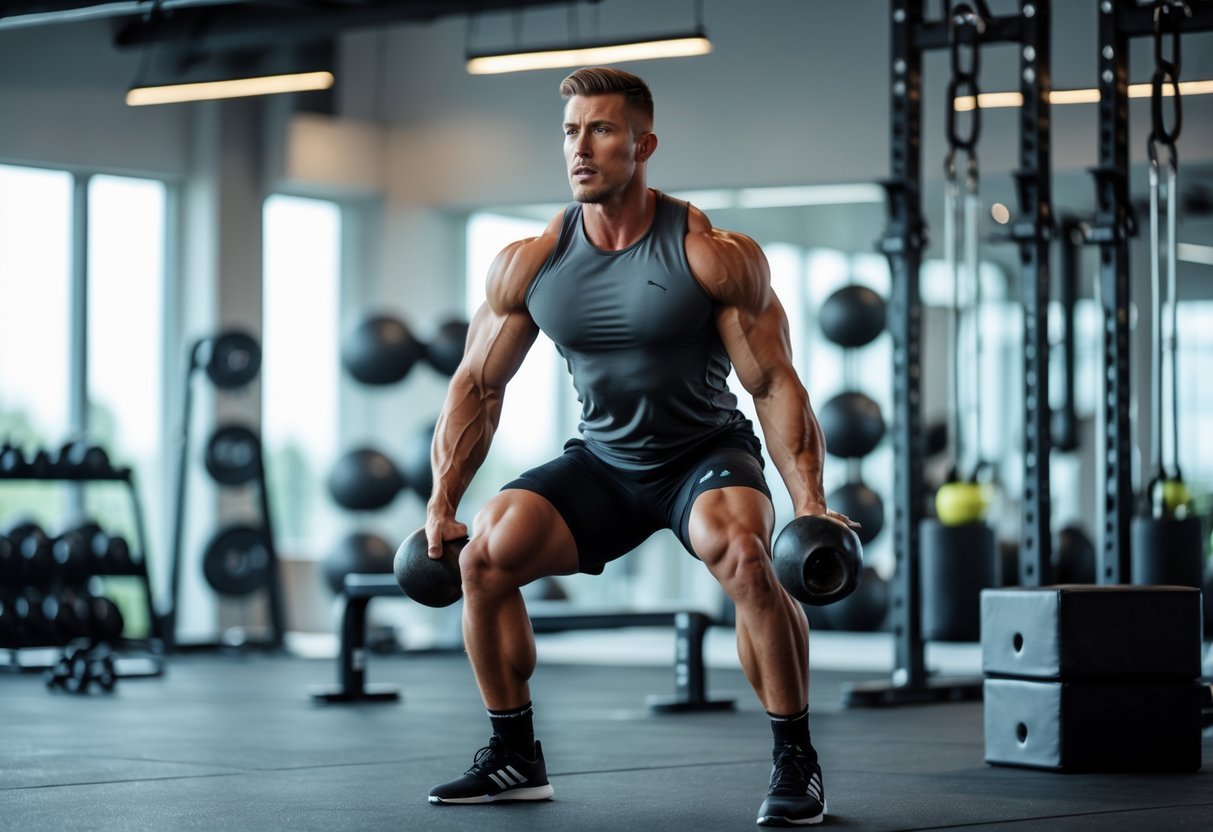
Muscle power is all about how fast you can apply force. Strength, meanwhile, is simply about how much force you can produce, regardless of speed.
They overlap, but the training approach is different. Strength training boosts the maximum force your muscles can produce, while power training teaches you to use that force quickly—super helpful for sports or when you need to react in a split second.
Honestly, the smartest move is to combine both in your training plan. That way, you’ll get stronger, but you’ll also be able to use that strength explosively, whether you’re on the field or just living your life.
Power Training for Performance and Health: Methods, Tips, and Adaptations
Power training is your ticket to generating force quickly. It’s a mix of strength and speed, and it can really boost your athletic performance while supporting your general health.
But you need the right mix of exercises, techniques, and progressions to build power safely and effectively.
Effective Power Training Techniques and Workout Routines
If you want to develop power, pick exercises that are all about explosive movement. Think jump squats, medicine ball throws, Olympic lifts, and plyometrics.
Adding free weights or resistance bands can up the challenge by making you work against resistance while still moving fast. Here’s a sample routine for you:
- Warm up with and some mobility work.
- Do 3–4 sets of 3–6 reps of explosive exercises focusing on speed.
- Rest for 1–3 minutes between sets so you can go all out each time.
- Wrap up with core stability work to help your balance and control.
This kind of training fires up those fast twitch fibers, letting you react faster and exert force more explosively. Just make sure your movements are full range and controlled to keep injuries at bay.
Resistance Training Tips for Power Development
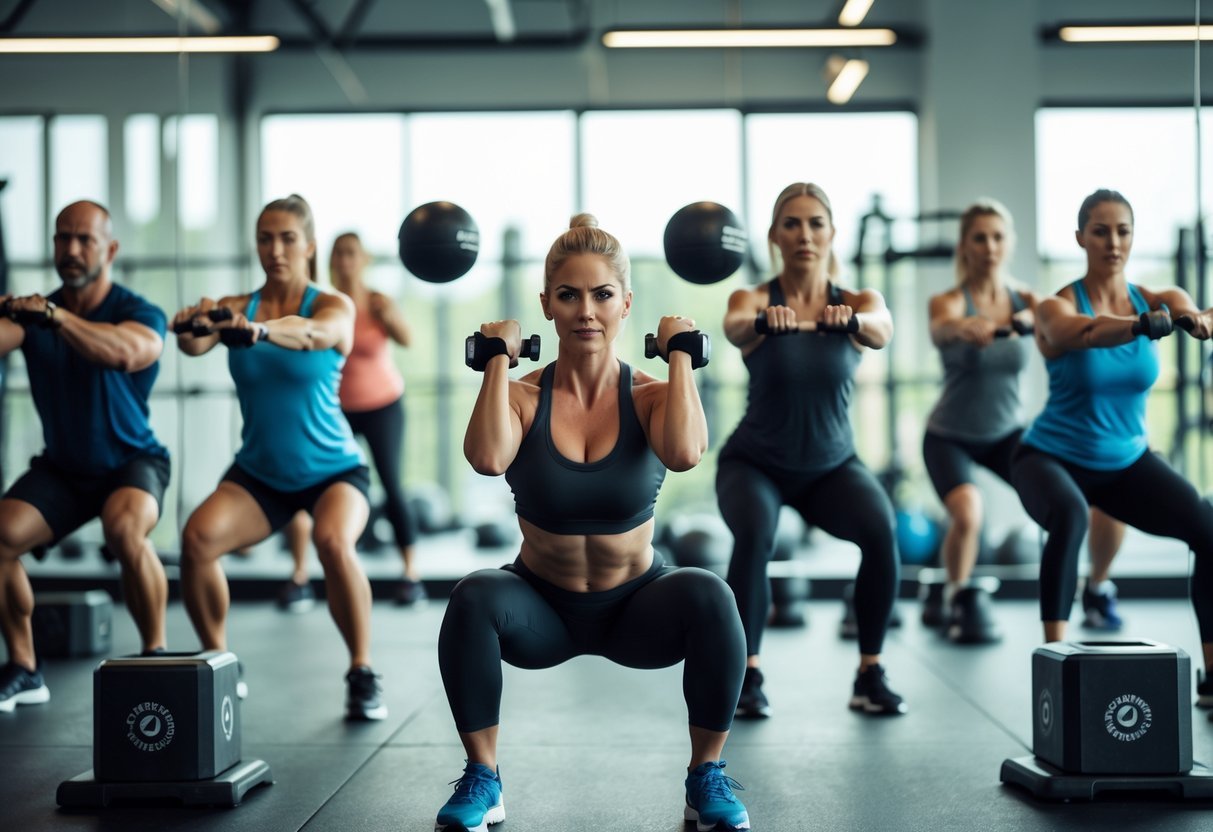
Before you crank up the intensity, make sure you’ve got a solid strength base. Start with strength training using heavier weights—machines, barbells, dumbbells—then add in the explosive stuff.
Some tips to keep in mind:
- Keep your form tight to protect your joints and bones.
- Switch up the resistance types so you hit different muscles.
- Increase resistance or speed gradually—no need to rush and risk injury.
- Add exercises that build bone density and joint health; it’ll help prevent falls, too.
- Mix power training with some cardio for a healthy heart and better metabolism.
Track your progress and give yourself enough recovery time. That’s how you’ll keep making gains and avoid burning out.
So, is power training worth the hype? Absolutely. Whether you’re chasing athletic goals or just want to move better and feel stronger in daily life, adding power-focused workouts can be a game changer. It keeps things interesting, challenges your body in new ways, and might even help you stay sharp and resilient as you age. Why not give it a shot? Your future self might thank you.
Adapting Power Training for Beginners and Advanced Lifters
If you’re just starting out, try bodyweight moves like jump squats or quick step-ups. Resistance band pushes are also a good call—they’re safe and help you find your balance.
Honestly, it’s best to nail your movement speed before you even think about adding weight. Rushing into heavy stuff too soon? That’s a recipe for trouble.
Once you’re feeling confident, go ahead and bring in free weights. Complex lifts like power cleans or snatches can really kick things up a notch.
Just be smart about increasing your training volume and intensity. Keep those explosive efforts controlled—no need to get reckless.
It’s a good idea to check in on your strength and power now and then. Adjust your routine as you go, because what worked last month might not cut it now.
Mixing up your exercises keeps things interesting and hits different aspects of power. Plus, it’s honestly more fun that way.
This kind of variety can support your physical function and help you dodge injuries. There’s also something to be said for the confidence boost—you’ll probably feel a bit more capable, inside and out.
In the end, whether you’re a beginner or you’ve been lifting forever, adapting your power training keeps you progressing. Stick with it, listen to your body, and don’t be afraid to switch things up—you might surprise yourself with what you can do.