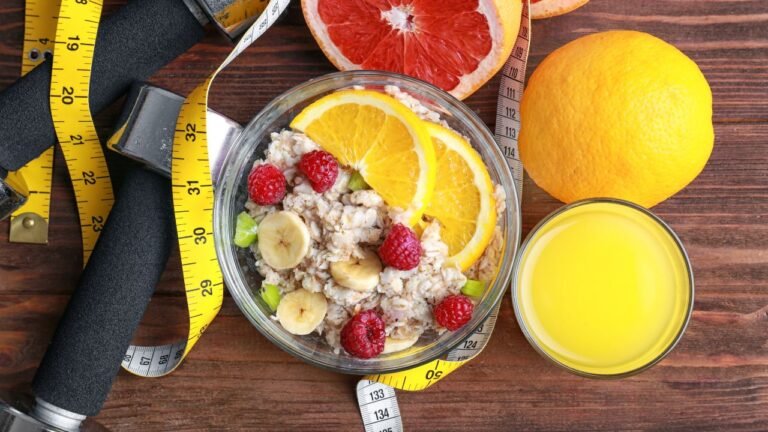
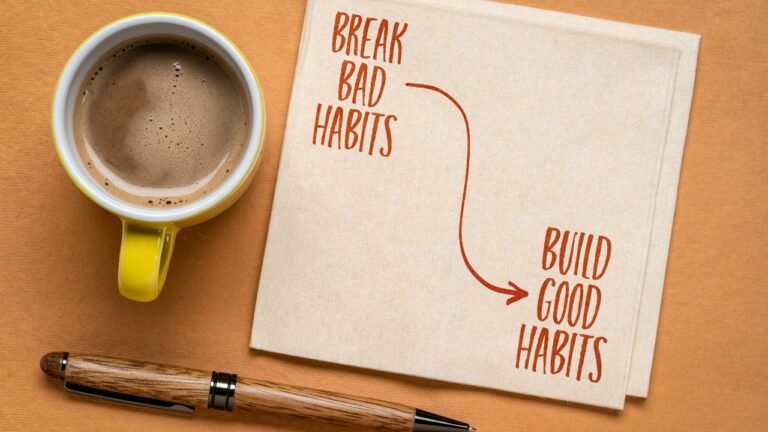
If you want to lose weight and keep it off, focusing on healthy habits backed by science is key. Sustainable weight loss happens when you build daily routines that combine realistic fitness habits, balanced eating, and lifestyle changes you can maintain long term.
Quick diets or extreme plans? They rarely work in the real world, honestly.

Here, you’ll find 8 proven weight loss habits that research actually supports. These habits help you lose fat in a healthy way—no drastic measures, just small, steady changes that really add up.
By tweaking your daily routine, you can boost your health and hit those weight goals without feeling miserable. This guide is about practical, evidence-based methods—stuff you can actually trust.
You’ll get strategies for eating well, staying active, managing cravings, and building routines that don’t fall apart after a week. Let’s dig in.
8 Weight Loss Habits That Actually Work (Backed by Research)
To lose fat and keep it off, focus on habits that improve your nutrition and activity without going to extremes. Eat smart, control portions, stay active, and pay attention to your body’s signals.
These actions help burn calories, reduce cravings, and build muscle, all while supporting your health long-term. It’s not magic, but it works.
Prioritize Protein With Every Meal
Eating protein at every meal helps you feel full longer and supports muscle. Protein actually takes more energy to digest than carbs or fat, so you burn a bit more just by eating it.
Good sources? Lean meats, fish, eggs, beans, and dairy. Adding protein cuts down on snacking and overeating later.
It also protects muscle while you lose fat. Try for at least 20-30 grams of protein per meal, but listen to your body and adjust as needed.
Practice Mindful Eating and Chew Slowly
Mindful eating is about paying attention to your food and how you feel while eating. Chewing slowly gives your brain time to catch up and realize you’re full.
Slow eating helps you avoid emotional or distracted eating. Using smaller plates can trick your brain into feeling satisfied with less.
Focus on the flavors and textures—it actually makes meals more enjoyable. You might find yourself eating less without even trying.
Stay Hydrated and Drink Water Before Meals

Drinking water before meals can lower hunger and help you eat less. Staying hydrated also supports digestion, energy, and metabolism.
Aim for 8-10 cups a day—more if you’re active or it’s hot out. Honestly, most of us could use a refill right now.
Swap sugary drinks for water to cut out empty calories. It’s a simple tweak that can make a big difference over time.
Focus on Fiber-Rich Whole Foods
Fiber slows digestion and keeps you full, which naturally helps you eat less. Veggies, fruits, whole grains, and legumes are all great sources.
Eating more fiber also supports digestion and keeps things moving, if you know what I mean. It slows sugar absorption, so you avoid those annoying energy crashes.
Try swapping refined carbs for whole grains and loading up on vegetables. It’s not as boring as it sounds—promise.
Master Sustainable Portion Control
Portion size really matters for calorie intake. Using smaller plates and measuring out portions helps you avoid mindless overeating.
Listen to your hunger and fullness cues instead of counting every calorie. Avoid eating straight from the package—seriously, it’s way too easy to lose track.
Limit Added Sugar and Avoid Liquid Calories
Added sugars sneak in extra calories without any real nutrition. They spike your blood sugar, leading to cravings and (yep) more fat storage.
Watch out for hidden sugars, especially in drinks like soda, flavored coffee, and even some “healthy” juices. It’s sneaky stuff.
Stick with water, unsweetened tea, or black coffee. Cutting back on sugar can really boost your energy and help with fat loss.
Build Consistent Exercise and Strength Training Routines
Regular exercise burns calories and keeps your metabolism humming. Strength training is especially helpful—it builds muscle, which burns more calories even when you’re sitting around.
Aim for at least 150 minutes of moderate exercise a week, with 2-3 days of strength training. Muscle helps prevent weight regain and just makes you feel stronger overall.
Mixing cardio with strength training supports fat loss and improves your body composition. Plus, you’ll probably feel better, too.
Get Quality Sleep and Manage Stress
Sleep affects hormones that control hunger and fat storage. Poor sleep can crank up cravings and sap your motivation to move.
Shoot for 7-9 hours of quality sleep each night. Try a consistent bedtime, less screen time before bed, and a relaxing routine if you can swing it.
Managing stress matters, too. Stress can trigger emotional eating and bump up cortisol, which encourages fat storage. Find what helps—exercise, meditation, hobbies, whatever works for you.
Implementing and Maintaining Long-Term Healthy Habits

To keep making progress, you need goals you can actually reach, ways to track your success, and routines that fit your life. Making realistic plans for exercise and food keeps you motivated.
Tracking progress beyond the scale shows you’re improving in other ways, too. Building daily habits that fit your lifestyle is what leads to real, lasting change.
Establishing Realistic Fitness and Nutrition Goals
Start with goals that fit your current fitness level and schedule. For exercise, aim for regular activity like 30 minutes most days, and pick workouts you don’t dread.
Set nutrition goals around balanced meals—lean proteins, whole grains, fruits, and veggies. Skip the extreme diets and focus on portion control. Toss in healthy snacks to keep hunger in check.
Don’t forget about sleep. Poor sleep messes with hunger and energy, making it way harder to stick to your goals. Try for 7-9 hours of restful sleep most nights.
Tracking Progress and Celebrating Non-Scale Victories
The number on the scale isn’t the only thing that matters. Track things like energy, mood, strength, and how your clothes fit. These “non-scale victories” are just as important as the pounds lost.
Keep a journal or use an app to log workouts, meals, and even your mood. It helps you spot patterns and stay accountable.
Photos, measurements, and personal milestones give you proof you’re moving forward—even on days when the scale won’t budge.
So, what’s the takeaway here? Sustainable weight loss is about showing up for yourself, day after day, with habits you can actually stick with. Don’t stress about perfection—just aim for progress. Over time, these small changes add up to something big. You’ve got this.
Staying Consistent With Daily Routines and Lifestyle Changes
Consistency really is the heart of sustainable weight loss. It’s about building routines that genuinely fit your life so those good habits slowly become second nature.
Try planning meals and workouts ahead of time—otherwise, it’s way too easy to fall into last-minute choices that throw you off track. Even if your day gets wild, squeezing in a short workout is better than nothing.
Honestly, making time for meal prep can save you from reaching for whatever’s fastest (and usually least healthy). Pick foods and activities you actually enjoy—because if you hate your routine, how long are you really going to stick with it?
Don’t sleep on managing stress and getting enough rest. When stress piles up or you skip recovery, progress can stall out before you know it.
Mix in some downtime or relaxing activities, and make sleep a priority. Your body and mind need that balance to keep everything running smoothly.
All in all, focusing on these habits gives you a much sturdier foundation for keeping the weight off and feeling better long-term. It’s not about being perfect—just sticking with it, one day at a time, and giving yourself a little grace along the way.