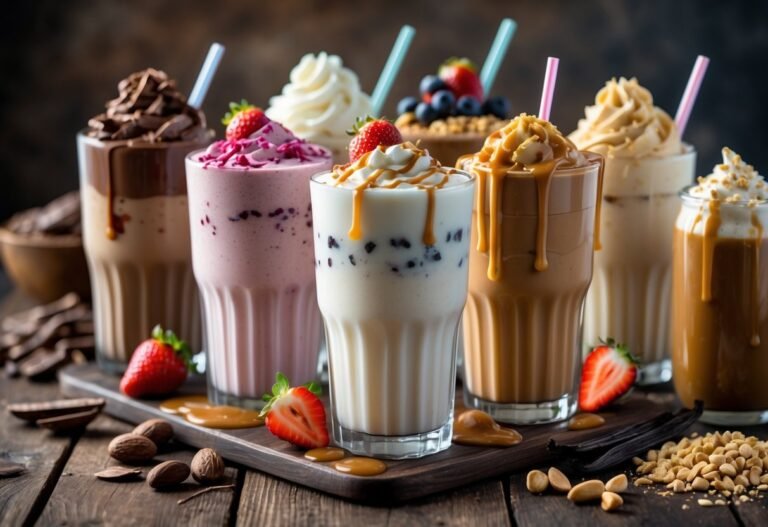
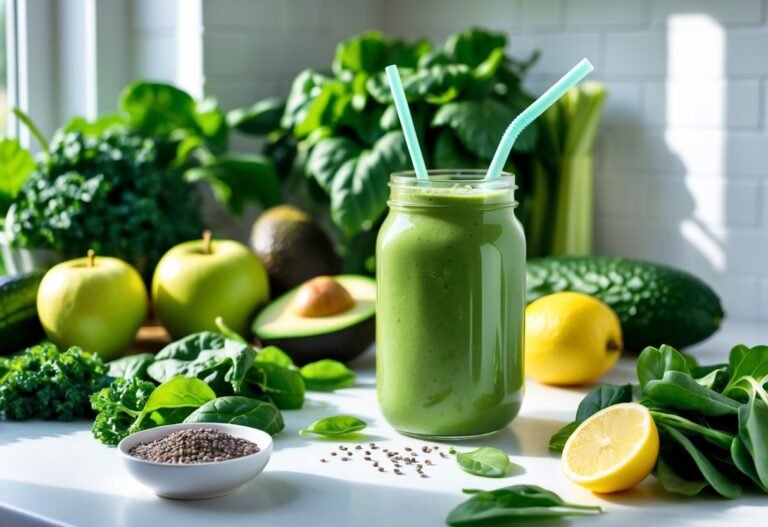
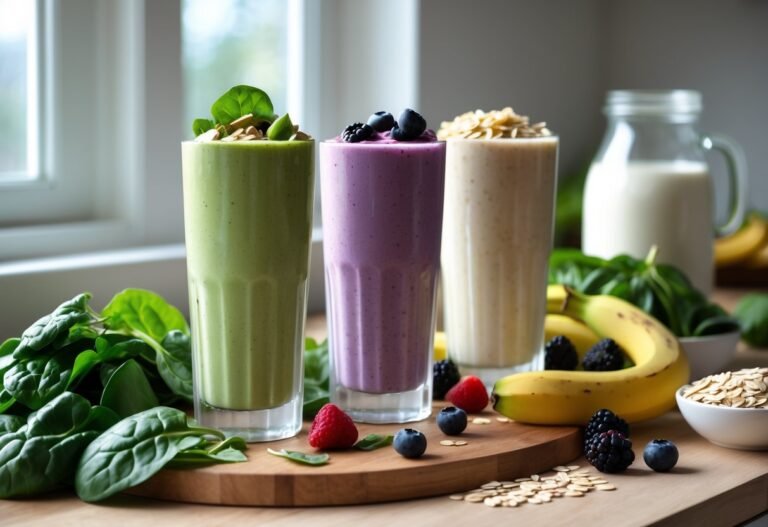
Making the perfect smoothie takes more than tossing fruit in a blender. A balanced smoothie has the right mix of protein, healthy fats, fiber, and vitamins to keep you full and energized.
Whether you’re after a quick breakfast or a meal replacement, knowing the right formula means you can whip up something tasty and actually good for you.
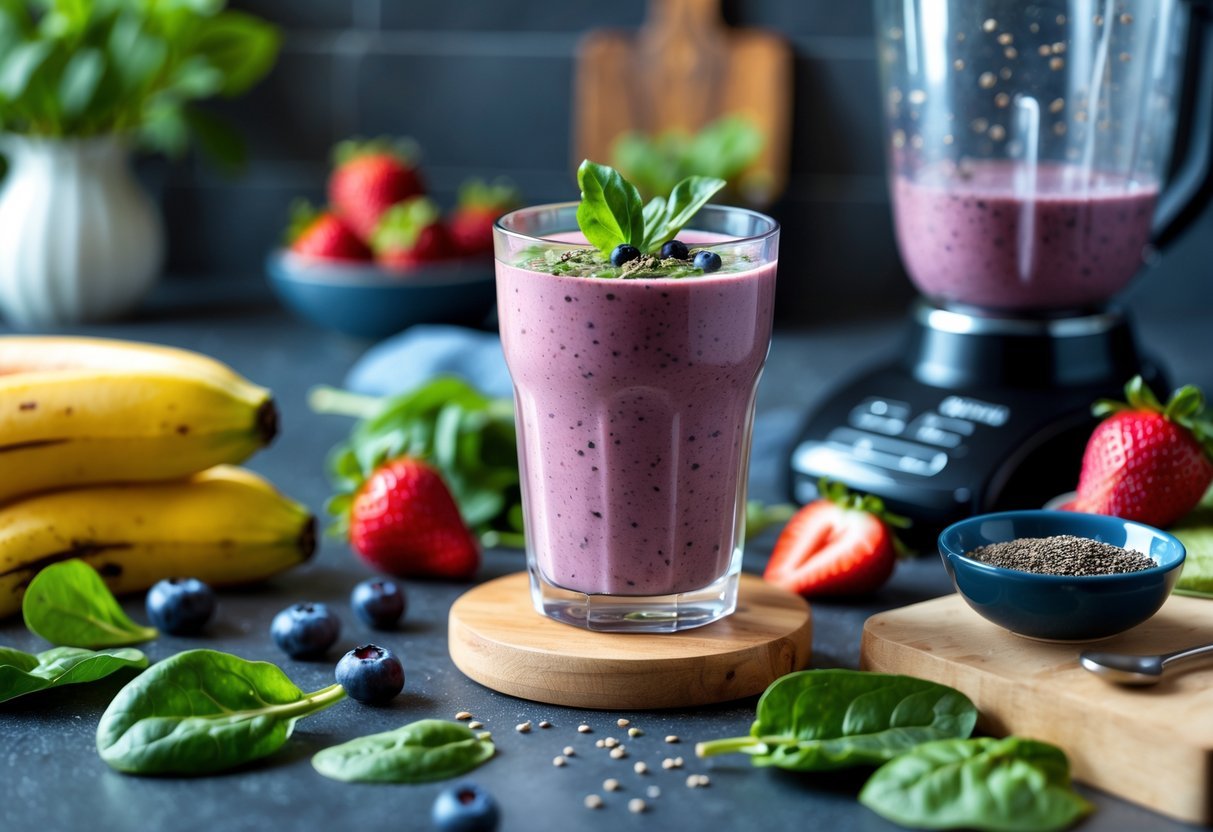
Customizing your smoothie is pretty simple if you stick to a few basic ratios: a liquid base, fruits or veggies, protein, and healthy fats.
Adding fiber—or even tossing in some superfoods or spices—can really kick up the nutrition and flavor. Once you get the hang of these basics, you’ll be able to make smoothies that suit your taste, your goals, and your budget.
In this guide, you’ll find easy smoothie ideas and tips for nutritional balance. There’s even a protein smoothie recipe to help you get started.
Master this formula, and you’ll always have a go-to for delicious, healthy smoothies—whether you’re in a rush or just need a snack.
The Perfect Smoothie Formula and Ratios
If you want a smoothie that actually tastes good and keeps you fueled, you need the right balance: liquids, fruits or veggies, protein, and healthy fats.
Getting the amounts right makes your smoothie smooth, satisfying, and not some weird watery mess.
The Essential Base: Liquid Options
Every smoothie needs a liquid base. Usually, you’ll want about ½ to 1 cup, depending on whether you like it thick or sippable.
Here are some common picks:
- Almond milk or other nut milks (cashew, soy) for creaminess without too many calories.
- Coconut water if you’re after a light, slightly sweet flavor with a bonus of electrolytes.
- Dairy milk or kefir for extra protein and probiotics.
- Filtered water if you want to keep it super light.
Mixing liquids, like half water and half almond milk, can give you a nice balance. Yogurt or Greek yogurt also thicken things up and add a protein punch.
Choosing the Right Fruits and Vegetables
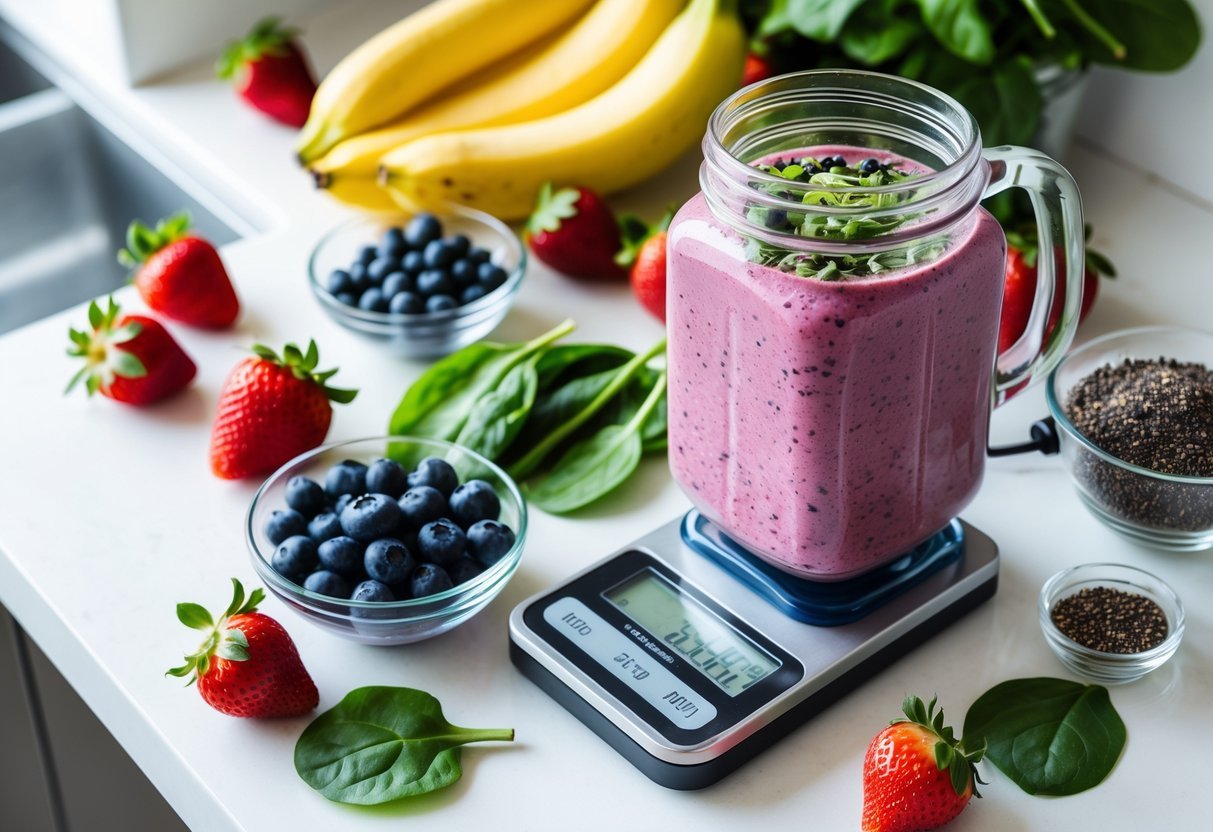
Fruits and veggies bring the vitamins, minerals, and natural sweetness. Start with 1 to 1½ cups of fresh or frozen fruit.
Bananas, berries, mango, pineapple, and frozen blends are classic—they blend easily and taste great.
Leafy greens like spinach or kale are sneaky; they add nutrients but not much taste. Zucchini or cucumber work too, and cauliflower is surprisingly good for fiber and a creamy texture, without messing with the flavor.
Try to balance out the sweetness of fruit with greens or mild veggies. You’ll get a refreshing smoothie without a sugar overload.
Protein Power: How to Add Protein
Protein’s what keeps you full and helps your muscles recover. Shoot for about 15 to 25 grams per smoothie, but honestly, just add what feels right for your needs.
- Protein powders (whey or plant-based protein powders).
- Greek yogurt for creaminess and extra protein.
- Seeds like hemp, chia, or flax—they bring both protein and fiber.
- Nut butters—almond, cashew, peanut—add healthy fats and protein.
Mix and match based on what you’re craving. Protein powder with nut butter? That’s a meal replacement in a glass if you ask me.
Healthy Fats for Creaminess and Nutrition
Healthy fats make your smoothie creamy and help you stay full longer. You really only need 1 to 2 tablespoons.
- Avocado—smooth, mild, and super creamy.
- Nut butters—almond or peanut are easy choices.
- Seeds—chia or flax are both good bets.
Oats can count here, too, since they add a bit of healthy fat and fiber. Healthy fats slow digestion and balance out all that fruit and veggie carb action. Don’t skip them—they’re kind of the secret weapon for a smoothie that actually keeps you going.
Advanced Smoothie-Making Tips and Recipe Inspiration
You can take your smoothies up a notch with natural flavors, better blending, and balanced meal replacements. Sometimes it’s the little tweaks that really make it sing.
Flavor Boosters and Natural Sweeteners
For flavor without dumping in sugar, try Medjool dates, maple syrup, honey, or agave. Dates even add fiber and minerals, while maple syrup and honey give a rich, mellow sweetness.
Spices like cinnamon, nutmeg, or ginger can add warmth and depth. Sometimes just a splash of vanilla extract makes a world of difference.
If you’re feeling adventurous, toss in superfood powders—maca, spirulina, or acai—for a nutrition and flavor boost.
Need more fiber? A pinch of psyllium husk or acacia fiber can help, but start small or you’ll end up with a gritty texture. Nobody wants that.
Blending Techniques and Choosing the Best Blender
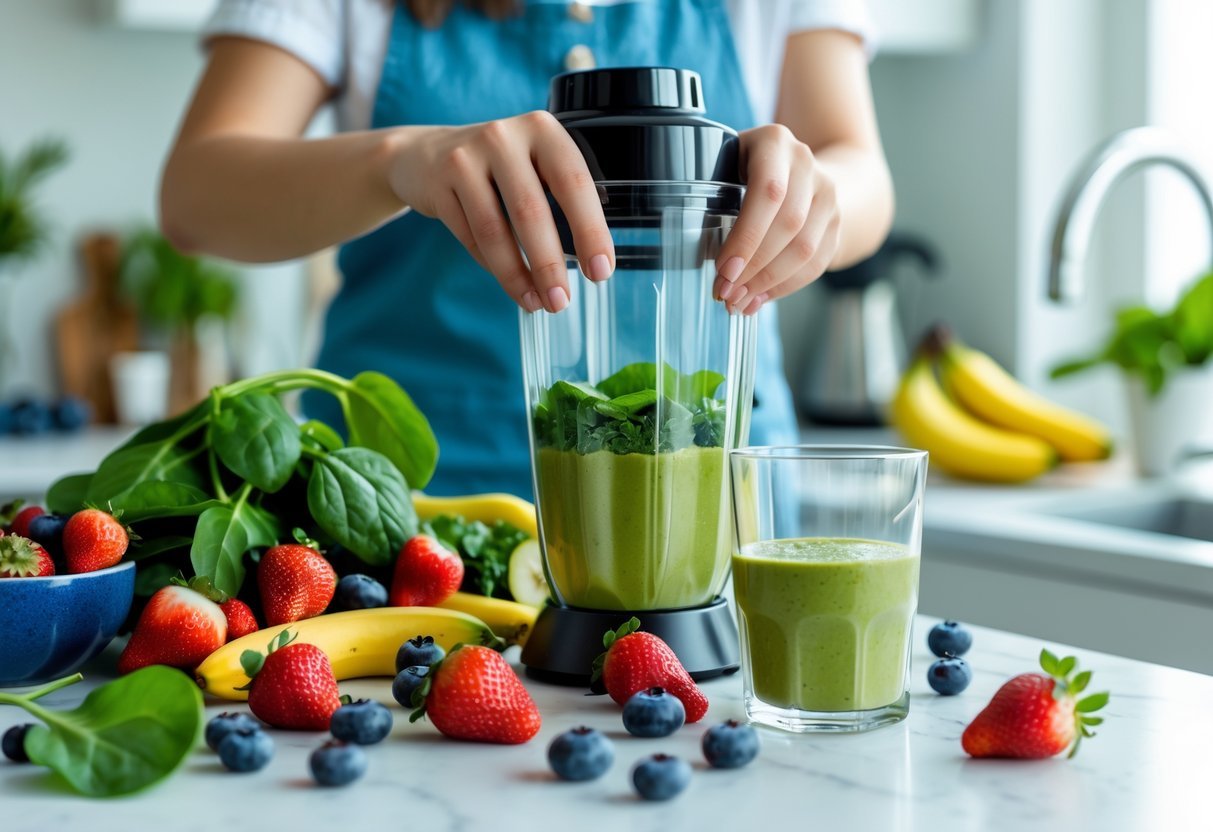
Your blender actually matters here. For thick, creamy shakes with tough veggies like carrots or leafy greens, a high-powered blender (Vitamix or Blendtec) is awesome.
If you’re using a nutribullet or smaller blender, just cut things into smaller pieces and add a bit more liquid—like apple juice or coconut water—to keep things moving.
Start blending on low, then ramp it up to really break down the tough stuff. If you still have chunks, pulsing can help smooth it out.
For a thicker smoothie, freeze your fruits—berries or banana work best. Add liquids slowly so you can control the thickness. It’s all about finding that sweet spot.
Honestly, making the “perfect” smoothie is an experiment every time. Find your favorite combos, don’t be afraid to mess up, and enjoy the process. The best smoothie is the one you actually want to drink—so have fun with it and make it yours.
Easy Meal Replacement and Protein Smoothie Ideas
Want a nutrient-packed shake? Just toss together some fruits, veggies, protein, and a bit of healthy fat.
A solid protein smoothie recipe could look like this:
- 1 scoop protein powder
- 1 cup spinach or kale
- 1/2 frozen banana
- 1 tablespoon coconut oil or MCT oil
- 1 cup unsweetened almond milk or water
If you want a little crunch, sprinkle in some granola or oats. Extra fiber, too—never a bad idea.
For meal replacement, balance is key. Protein keeps muscles happy, fiber helps you feel full, and those healthy fats? They’re your energy boost.
Mix in berries, pineapple, or even carrots for an extra vitamin punch. Don’t forget to include your protein and fats for a complete meal.
Honestly, prepping smoothie packs in advance makes mornings so much easier. Just portion everything into freezer bags and you’re set to blend whenever you need a quick, healthy drink.
At the end of the day, smoothies are kind of a lifesaver—simple, customizable, and, let’s be real, way tastier than most grab-and-go options. Give one of these a try and see if it doesn’t make your routine just a little bit better.